
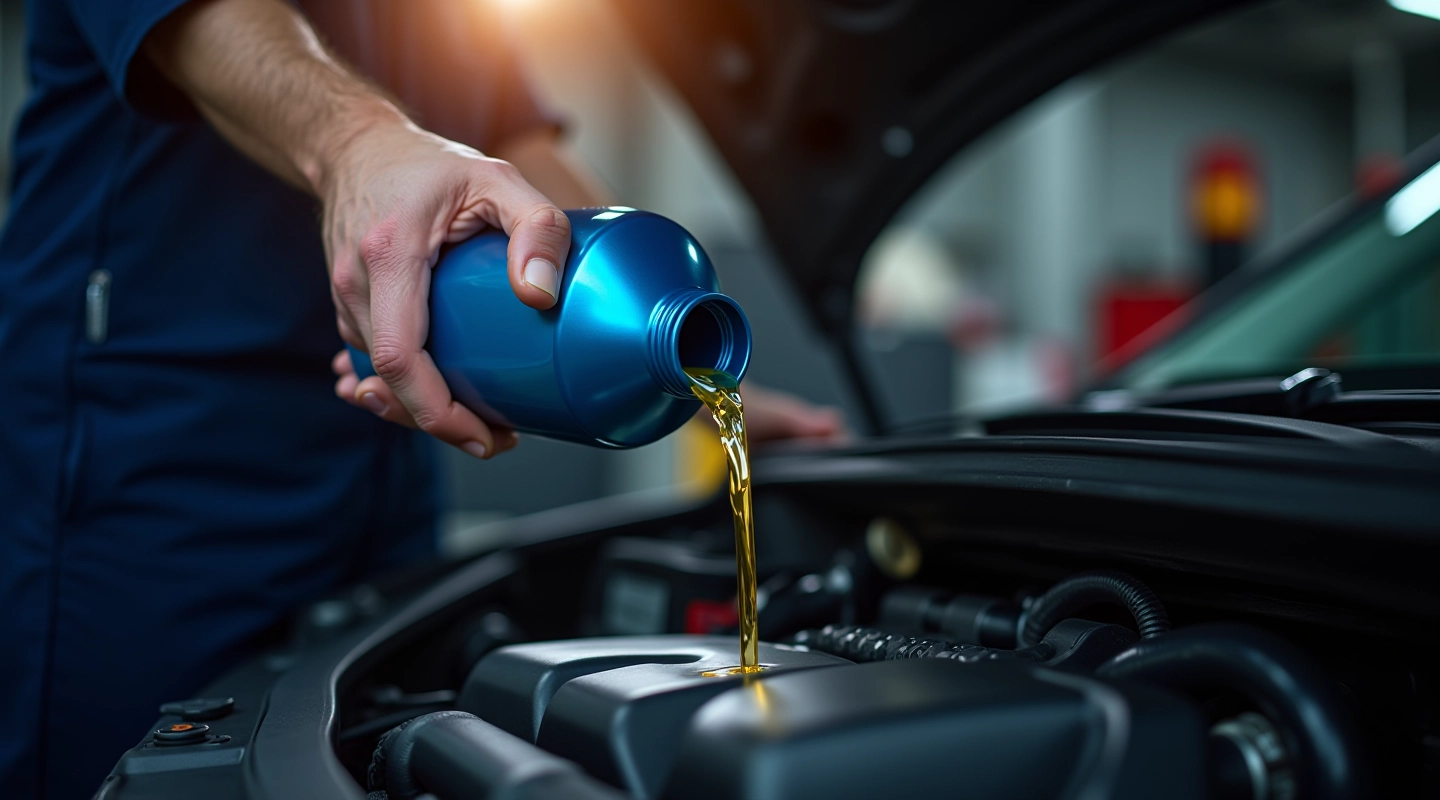
How to Choose the Right Oil Viscosity for Your Car
Understanding oil grades like 5W-30 and 10W-40. We break down what those numbers mean and how to pick the right one.
Learn how to read your owner's manual and determine the right timing for your oil changes. Interval recommendations vary based on driving conditions and oil type.
Your vehicle's engine relies on clean oil to function properly. Engine oil lubricates moving parts, reduces friction, and helps remove heat and contaminants. Over time, oil breaks down — it gets darker, thicker, and less effective at protecting your engine. That's where oil change intervals come in.
The interval is simply the recommended distance or time between oil changes. It's not the same for every vehicle. Your car's make, model, year, engine type, and driving habits all play a role. We'll walk you through how to find your vehicle's specific interval and what factors might affect it.

The first place to look is your owner's manual. Seriously. It's the definitive source for your specific vehicle. Every manufacturer has different recommendations based on their engine design and engineering specifications.
Most owner's manuals include an interval in the maintenance schedule section — typically listed as something like "every 5,000 miles" or "every 6 months, whichever comes first." That dual recommendation matters. If you don't drive much, you'll still need to change your oil periodically to prevent it from degrading while sitting in your engine.
Can't find your manual? You've got options. Check the inside of your fuel door — many vehicles have a sticker with maintenance intervals right there. Search online for your vehicle's year, make, and model plus "owner's manual PDF." Most manufacturers have digital versions available. Or call your dealer — they'll tell you in seconds.
Here's where it gets more nuanced. Your manual probably lists two intervals — one for "normal" driving and one for "severe" driving. Most people think severe means off-roading or racing. It doesn't.
Severe driving conditions include frequent short trips (under 10 miles), towing, driving in dusty areas, idling for long periods, or driving in extreme temperatures. If you commute 5 miles to work and park for 8 hours, that's severe driving. If you live somewhere hot or cold, that counts too. Your oil works harder in these conditions and breaks down faster.
Look at your typical driving pattern honestly. Short commutes? Towing a trailer? Live in the desert or somewhere very cold? You're probably in the severe category. That might mean changing your oil every 3,000 miles instead of 5,000. It's worth checking your manual's severe schedule — it could save your engine.
This article provides general informational guidance about oil change intervals. It's not a substitute for your vehicle's owner's manual or professional mechanical advice. Always follow your manufacturer's specific recommendations for your vehicle. If you're unsure about your car's maintenance schedule, consult your owner's manual, contact your dealership, or speak with a qualified mechanic. Vehicle maintenance requirements vary significantly by make, model, year, and driving conditions.
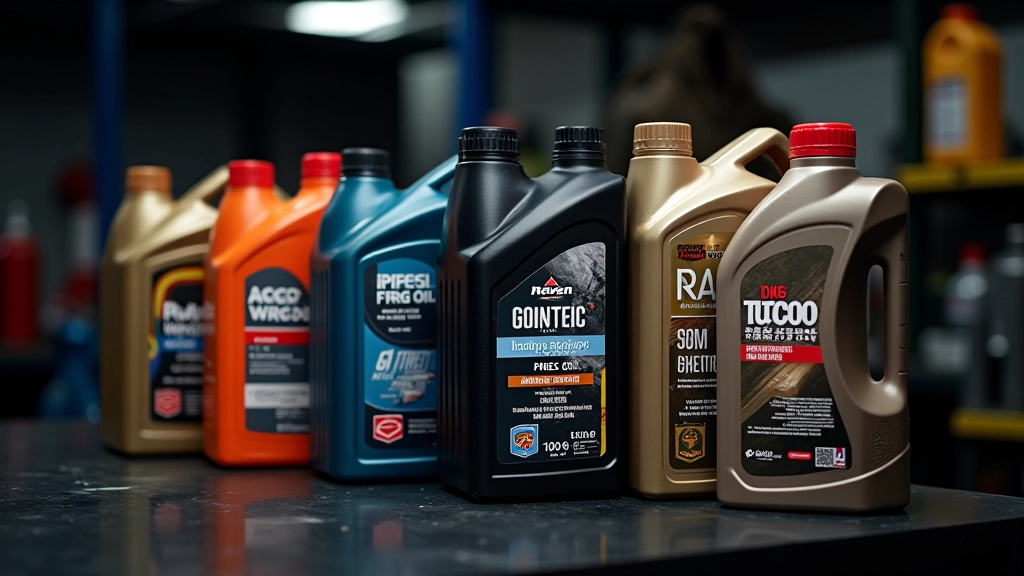
The type of oil you use affects how long it lasts. Conventional oil typically needs changing every 3,000 to 5,000 miles. Synthetic oil lasts significantly longer — often 7,500 to 10,000 miles or more. Semi-synthetic (synthetic blend) falls somewhere in between, usually 5,000 to 7,000 miles.
If your manual recommends conventional oil, you can upgrade to synthetic and extend your interval — but check your manual first. Some older vehicles or specific engine types have recommendations about which oil to use. Synthetic costs more per change but you're doing it less frequently, so the total cost often works out similarly.
Here's the thing: if your manual says "change every 5,000 miles with conventional oil," don't automatically assume you can go 10,000 miles with synthetic. Your manual should specify what happens if you use synthetic. Follow those guidelines. Different engines have different tolerances, and manufacturers engineer their recommendations around specific oil types.

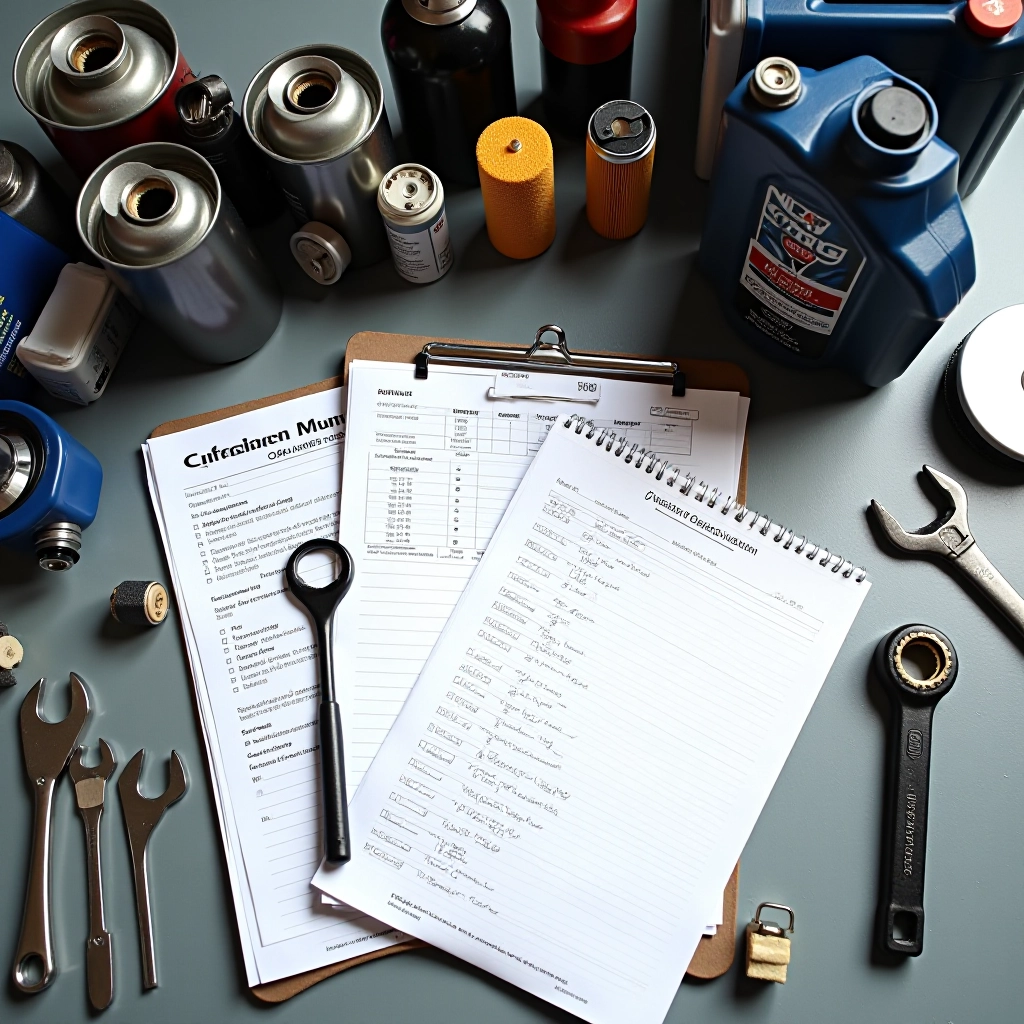
You've found your interval. Now what? Keep records. Write down the date, mileage, and oil type every time you change your oil. Take a photo of your odometer if you want to be thorough. This creates a maintenance history that proves you've cared for your vehicle — useful if you ever sell it or need warranty service.
Modern vehicles often have maintenance reminder systems built into the dashboard. These calculate when you're due based on your driving patterns and oil type. They're pretty accurate, but don't rely on them exclusively. They're a tool, not a replacement for knowing your interval.
Set a calendar reminder for yourself — either on your phone or a traditional calendar. Mark it for both the mileage and time-based intervals. Whichever comes first is when you're due. This simple habit prevents you from accidentally going too long between changes. Your engine will thank you.
Understanding your oil change interval isn't complicated — it just requires a bit of homework. Find your interval in the owner's manual, consider your driving conditions, factor in your oil type, and then stick to the schedule. Regular oil changes are one of the cheapest ways to extend your engine's life and avoid expensive repairs down the road.
Don't guess or follow your neighbor's advice. Your vehicle has specific needs based on its engineering and your use. Respect that, follow your manual, and you'll keep your engine running smoothly for years to come.
Understanding oil grades like 5W-30 and 10W-40. We break down what those numbers mean and how to pick the right one.
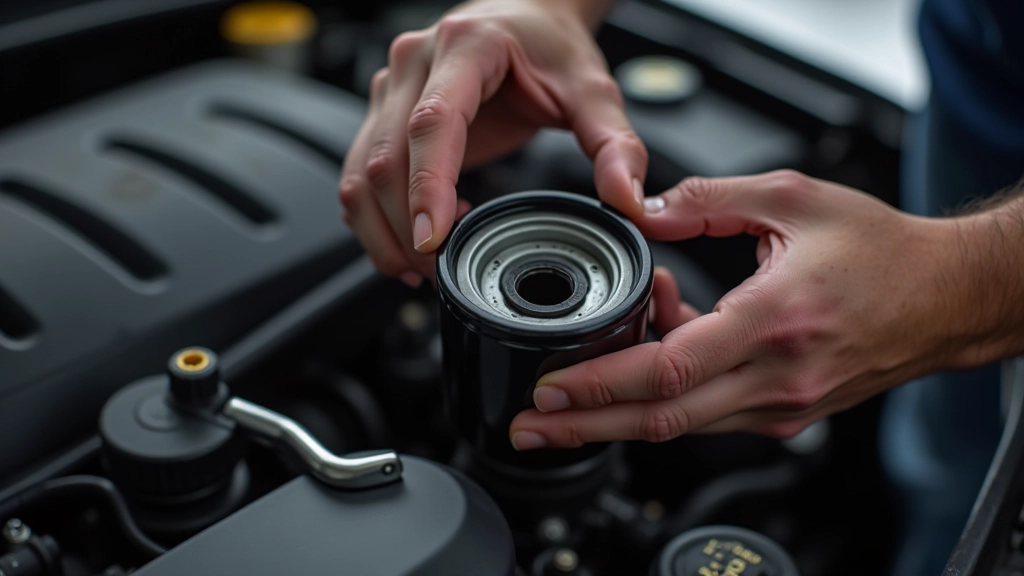
Changing your oil filter doesn't have to be complicated. This guide walks you through the process with clear steps.
Comparing performance, cost, and longevity between oil types. Find out which option works best for you.